
Orangery vs Conservatory: Complete Surrey Comparison 2026
If you’re thinking about extending your Surrey home with a glass room, you’ve probably seen both terms used interchangeably. They’re not. One works in summer, one doesn’t. One adds value, one doesn’t. And that difference matters at £40,000–£80,000 of your money.
The short answer: an orangery is built for year-round living. A conservatory isn’t. Everything else flows from that one fact.
The Core Difference: One Works Year-Round, One Doesn't
A conservatory is mostly glass. Large windows, glass roof, minimal insulation. Beautiful in May. Unbearable in July. Freezing by November. You're literally sitting in a greenhouse.
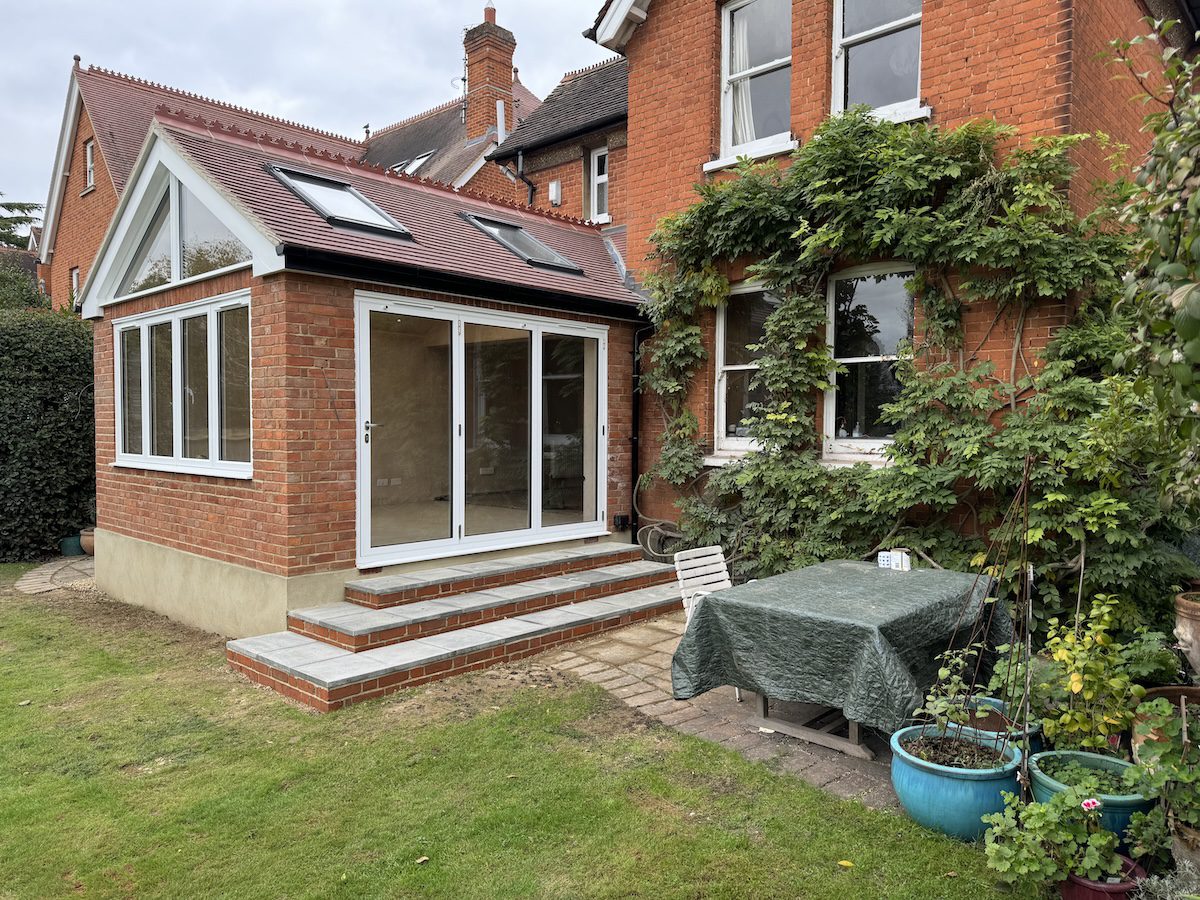
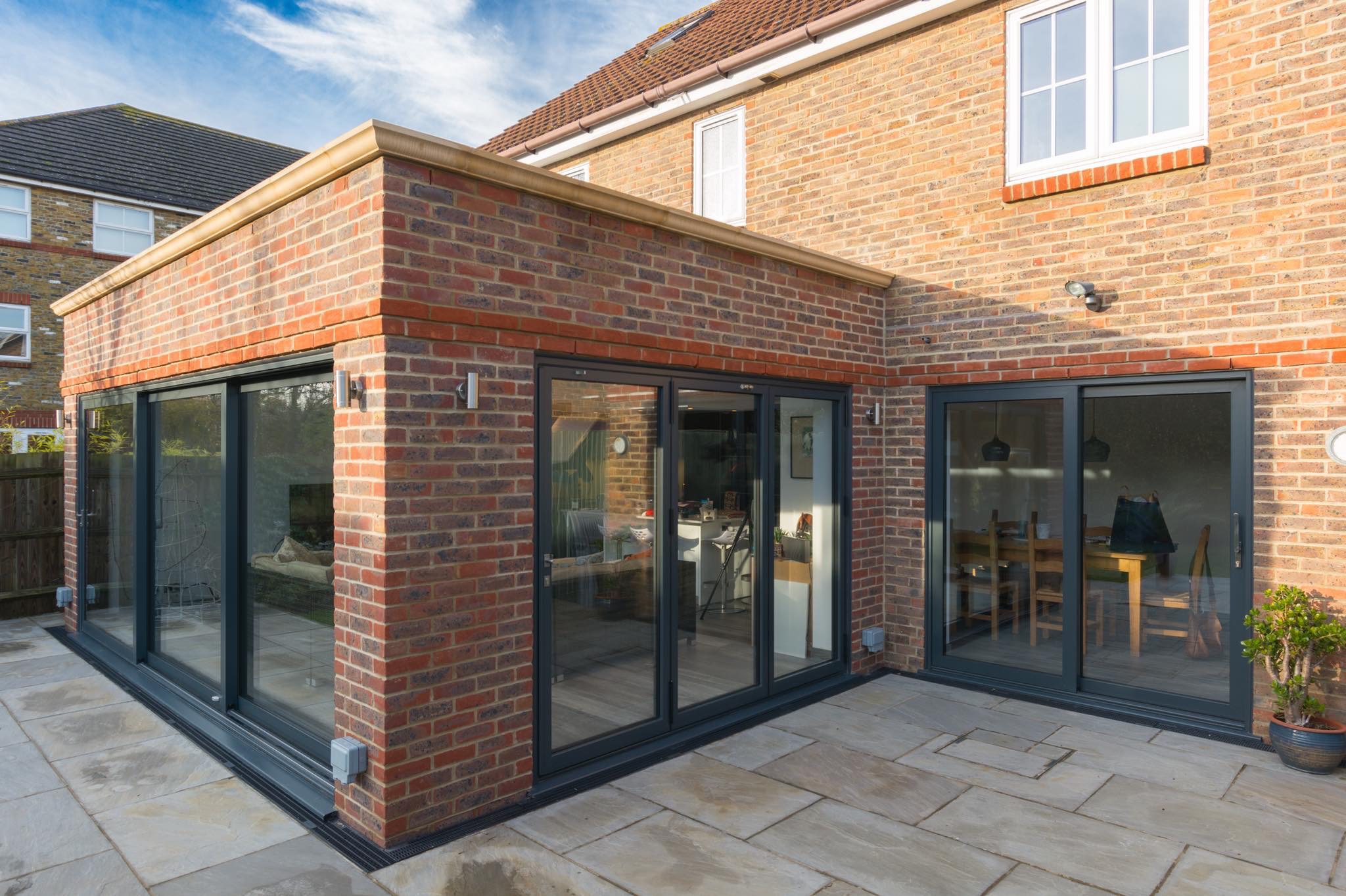
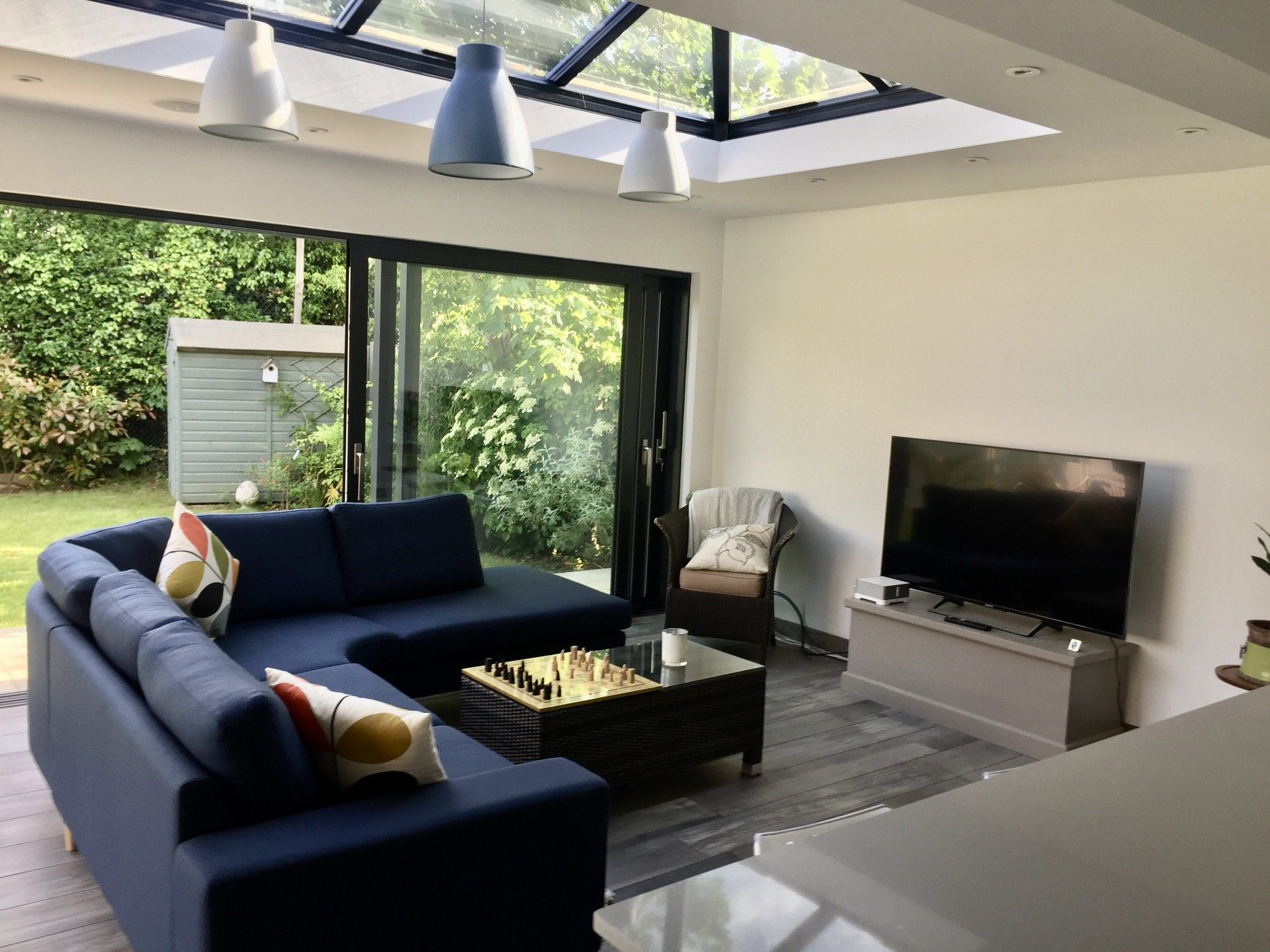
An orangery has solid brick walls, insulated columns, and a roof that's mostly roof — with a central glazed lantern letting light in from above rather than cooking you from all sides. It maintains temperature. You heat it in winter, you don't cook in it summer.
That's not a small difference. It's the difference between using the space year-round and closing it off for half the year.
Let's Look at the Specifics
| Factor | Orangery | Conservatory |
|---|---|---|
| Structure | Brick walls, solid roof, lantern | Mostly glass and aluminium |
| Winter comfort | Thermally efficient, minimal heating | Cold unless heavily heated |
| Summer comfort | Stays cool, manageable | Overheats without constant ventilation |
| Building regulations | Required | Often exempt |
| Cost (Surrey 2026) | From £60,000–£80,000 small; £80,000–£120,000 medium; £115,000–£170,000+ large | £20,000–£45,000 |
| Build time | 12–20 weeks | 8–12 weeks |
| Resale value | Adds 8–15% to property value | Minimal uplift, sometimes a liability |
| Planning permission | Usually not required (permitted development) | Usually not required |
Cost: Why Orangeries Cost More
A conservatory is cheaper because it's lightweight frame and glass. Minimal foundations, minimal structural work, minimal insulation. Fast build, lower bill.
An orangery costs more because you're building a proper room. Brick foundations, structural steels, insulation, plastering, electrical work certified to building regs. It's a real extension, not a glass box bolted on the back.
In Surrey, where properties are expensive and you're likely staying put, that extra cost comes back when you sell. A buyer looks at an orangery and thinks "room I can actually use." They look at a conservatory and think "that needs upgrading."
I've seen it with properties from Kingston to Farnham. The orangery buyers are happy years later. The conservatory buyers end up converting them or replacing them entirely.
How You Actually Live in These Spaces
Here's what happens in the real world:
Orangeries get used constantly. Kitchen extensions, dining rooms, offices that catch morning light. Families actually spend time in them. You cook in there, you eat there, you work there. It becomes central to how you use the house.
Conservatories tend to accumulate things. Lovely in May, unusable by July. Most people end up with a room full of garden furniture and unused equipment. The heating bills are another complaint — they're expensive to heat properly and cold if you don't.
If you're buying a house with a conservatory, converting it to an orangery often makes sense. If you're building new, starting with an orangery means you're not solving the same problem twice.
Planning Permission and Building Regs
Most orangeries in Surrey don't need planning permission — they fall under permitted development rights for single-storey rear extensions. Size limits apply (4m for detached, 3m for semi-detached), but that covers most projects.
Conservatories are the same — no permission needed under permitted development.
The difference is building regulations. Conservatories often qualify for exemptions. Orangeries always need building regs approval because they're real extensions. This takes 4–6 weeks and means proper inspection. It costs money and time, but it means your orangery is properly built and signed off. That matters for insurance and resale.
Maintenance: Orangeries Win Again
Conservatory roofs are glass. They need cleaning constantly, they leak more easily, and replacing a section is expensive and disruptive. It's endless.
An orangery roof is mostly roof. You maintain it like the rest of your house. The lantern glass needs the occasional clean, not constant attention.
So Which One?
Choose an Orangery If
- You want to actually use the space year-round
- You're planning to stay in the property for 10+ years
- You want it to add value when you sell
- You don't mind waiting 12–20 weeks for the build
- You need it for something specific (kitchen extension, office, dining room)
Choose a Conservatory If
- You want something quick and cheap
- You're not fussed about heating costs
- You just want extra space for plants or storage
- You're in a rental or planning to move soon
- You like opening all the windows in summer
Most Surrey homeowners who think they want a conservatory end up wishing they'd gone for an orangery. The cost difference isn't as big as it seems when you factor in how you'll actually live in the space.
What We Do
We always start with a site visit. We look at your space, talk about what you'll use it for, and then design accordingly. Sometimes that's an orangery. Sometimes it's converting an existing conservatory into one. Sometimes it's designing it to blend properly with your house and work for how you actually live.
The point is to build something you'll enjoy, not something that becomes expensive storage by autumn.
Frequently Asked Questions
What is the main difference between an orangery and a conservatory?
An orangery has solid brick walls, insulated columns, and a central roof lantern — built for year-round comfort. A conservatory is mostly glass and aluminium — beautiful in spring but unusable in summer heat and cold in winter.
Do I need planning permission?
Most orangeries and conservatories fall under permitted development rights and don't require planning permission. Orangeries require building regulations approval; conservatories often qualify for exemptions.
How much does an orangery cost in Surrey?
A bespoke premium orangery in Surrey costs from £60,000–£80,000 (small), £80,000–£120,000 (medium), and £115,000–£170,000+ (large) in 2026. Conservatories cost £20,000–£45,000.
Which adds more value?
An orangery typically adds 8–15% to property value. A conservatory adds minimal uplift and can be a liability. Buyers see an orangery as a genuine room; a conservatory as something needing upgrade.
How long does it take?
A conservatory takes 8–12 weeks. An orangery takes 12–20 weeks because of proper foundations, structural work, insulation, and building regulations.